
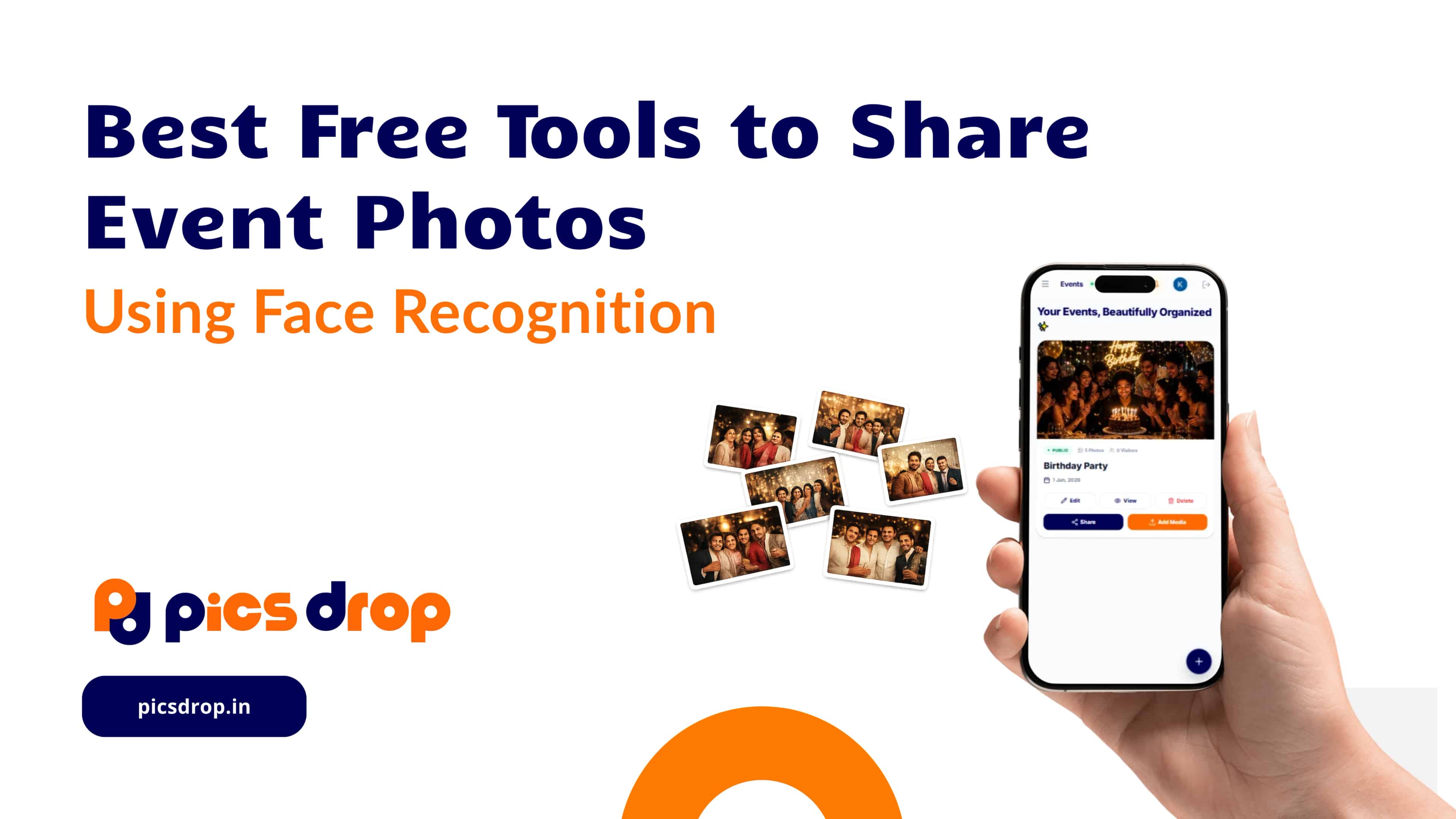
The high cost of manual event photo sorting
For every four hours of active shooting at a wedding or conference, event photographers lose an average of twelve hours to manual culling, sorting, and gallery delivery. Traditional static folders like Google Drive make guests scroll through thousands of photos to find themselves, resulting in low download rates and missed booking referrals.
Finding the best free tools to share event photos using face recognition is the easiest way to solve this problem without adding high subscription overhead to your early-stage photography business. Releasing photos quickly is critical.
According to a 2023 consumer experience report by Qualtrics, guest satisfaction drops significantly when photo delivery is delayed. A guest's excitement peaks within 48 hours of an event. If they have to wait weeks for a proofing link, they lose interest, stop sharing, and you miss the referral window. Fast delivery through AI-powered photo distribution is not just a convenience—it is a direct business multiplier.
What is free face recognition photo sharing?
Free face recognition photo sharing is an automated delivery method that uses artificial intelligence to identify individuals in event photos and match them to guest-submitted selfies. It provides attendees with personalized galleries containing only the photos they appear in, eliminating the need for manual sorting.
By using AI face recognition software, photographers can automate delivery, improve guest satisfaction, and spend more time focusing on photography rather than gallery management.
The three best free and trial options for event matching
If you want to automate your workflow on a budget, you have three primary options: specialized AI matching platforms, cloud storage services, and app-based photo-sharing tools. Here is how to share event photos for free using AI across each solution.
1. PicsDrop (Best Overall AI Delivery)
For photographers wanting direct lead capture and fast web matching, PicsDrop offers one of the most efficient solutions available. The platform uses advanced event photo matching technology to identify faces and connect guests with their photos instantly.
The biggest advantage is the complete absence of guest friction.
Instead of downloading an app, guests scan a QR code photo sharing link, take a selfie, and view their photos instantly in a mobile browser. This seamless photo sharing for event guests experience increases participation rates and improves overall event engagement.
The platform also includes custom branding, booking forms, and watermarks, transforming simple downloads into a powerful marketing channel. This combination of automated photo delivery and lead generation makes it especially valuable for growing photography businesses.
2. Google Drive (Best for Raw Storage, Worst for Sorting)
Google Drive is completely free for up to 15GB of storage, making it a popular choice for photographers who need basic file hosting. It allows you to upload thousands of images without any upfront cost.
However, it lacks face recognition event photo sharing capabilities. Guests must manually browse every image to find themselves, resulting in lower engagement and fewer downloads.
Additionally, Google Drive does not provide built-in branding, lead capture forms, or event guest photo finder functionality, limiting its usefulness as a marketing tool.
3. Alternative App-Based Photo Tools
Several event-sharing applications provide free plans with basic facial clustering and collaborative photo uploads. These platforms can help organize event photos and create shared albums.
The downside is that most require guests to install an application before accessing their photos. This creates unnecessary friction and reduces participation. Many guests simply ignore event-sharing links when an app download is required.
Compared to browser-based AI event photo sharing, app-based solutions typically see lower engagement and slower adoption rates.
Comparing free sharing channels: cloud, apps, and PicsDrop
To understand why browser-based matching solutions are becoming more popular, compare the major features below.
| Feature | Cloud Storage (Google Drive) | App-Based Alternatives | AI-Powered Web Matching (PicsDrop) |
|---|---|---|---|
| Face Recognition | No (Manual Search) | Basic Facial Clustering | Advanced AI Matching |
| App Download Required | No | Yes | No |
| Guest Search Experience | Manual Browsing | App-Based Search | event guest photo finder |
| Delivery Speed | Manual Upload | Moderate | instant photo delivery |
| Branding & Lead Capture | None | Limited | High |
GDPR and CCPA: data handling on free platforms
Handling facial data requires careful attention to privacy regulations. When evaluating free face recognition photo sharing solutions, ensure they follow proper privacy practices.
- Transient Processing: Guest selfies should be processed temporarily and deleted immediately after matching.
- Event Isolation: Facial data should remain linked only to the specific event gallery.
- Automatic Deletion: Facial vectors should be removed when galleries are archived or deleted.
- Private Access: Guests should only see the images they personally appear in.
Why automated photo delivery drives repeat bookings
For photographers, photo sharing should do more than simply deliver files. It should help generate future business.
Using a professional photo sharing platform allows every guest to interact directly with your brand. They see your logo, your contact information, and your booking form while downloading their images.
Because images can include branded watermarks, every social media share becomes free promotion. This is why many photographers are switching to photo delivery for photographers powered by AI matching.
With AI-powered event galleries, guests find their photos independently, reducing support requests and increasing referrals.
Conclusion
Using free face recognition photo sharing is one of the most efficient ways to deliver event images without spending hours organizing galleries. While free cloud storage provides basic hosting, it lacks the intelligence required for modern event delivery.
Platforms that combine facial recognition photo matching, instant photo delivery, and AI-powered photo distribution provide a significantly better experience for both photographers and guests.
For photographers looking to simplify workflows, improve guest satisfaction, and generate more referrals, browser-based solutions such as PicsDrop offer a practical starting point.
Frequently Asked Questions
What is the best free event photo sharing app with face recognition?
Many photographers choose browser-based platforms that offer face recognition event photo sharing because they eliminate app downloads and make photo discovery simple.
Does PicsDrop have a free trial?
Yes. PicsDrop offers a trial that allows photographers to test AI-powered matching systems before subscribing.
How many photos can I share using AI matching?
The number varies by provider. Most platforms offering AI event photo sharing include event-based limits or trial plans for testing.
Is guest selfie data stored permanently?
Reputable providers of free face recognition photo sharing typically process selfies temporarily and delete them after matching, helping maintain privacy and compliance.